17 November 2026
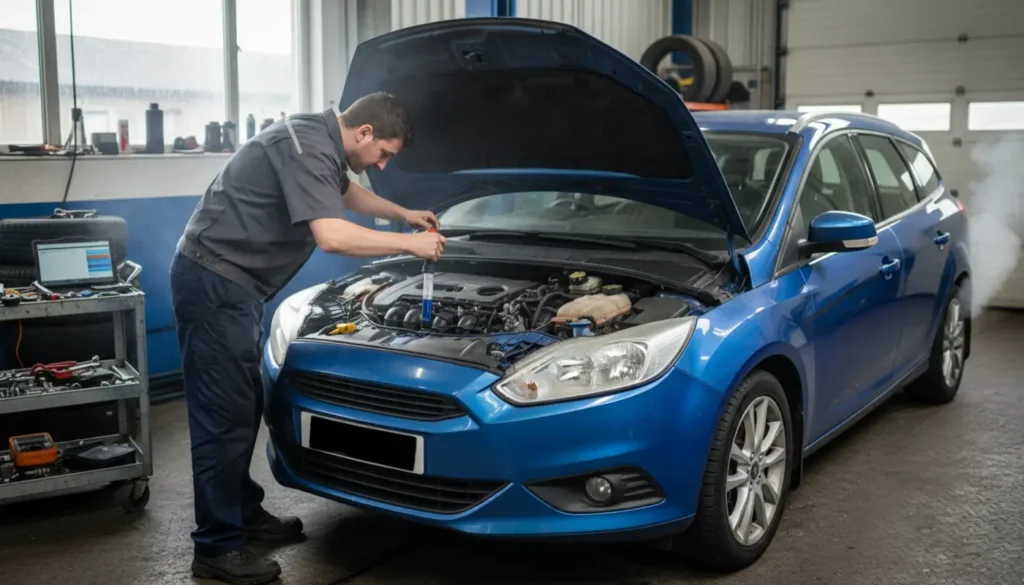
Driving with a blown head gasket is generally not recommended. The engine may still start and move the car, but that does not mean it is safe or sensible to continue driving. A suspected head gasket failure can quickly lead to overheating, coolant loss, oil contamination, misfiring and serious internal engine damage. If the temperature gauge rises, warning lights appear, steam is visible, the engine loses power or it starts running roughly, stop somewhere safe and arrange professional help.
The tricky part is that head gasket symptoms are not always neat and obvious. White exhaust smoke, coolant loss, milky oil and overheating can point towards head gasket failure, but they can also be caused by other faults such as a leaking radiator, failed thermostat, water pump issue or another cooling system problem. That is why proper diagnosis matters before committing to a major repair.
If a garage confirms the head gasket has failed, the next decision is usually whether to repair the gasket, replace the engine or decide the car is no longer economical to fix. Motor Fix Way can help UK motorists compare replacement engine options from suppliers where engine replacement becomes a realistic route, but the first priority is always safety and accurate diagnosis.
In the simplest terms, you should avoid driving with a blown head gasket unless a qualified professional has assessed the vehicle and confirmed it is safe to move. There is no reliable rule such as "you can drive five miles" or "it will be fine to get home". The safe distance depends on the severity of the fault, coolant level, engine temperature, traffic conditions, the vehicle's design and whether damage has already started.
A head gasket seals the joint between the engine block and cylinder head. It helps keep combustion pressure, engine oil and coolant in their correct places. When it fails, those systems can mix or leak into areas where they should not be. Coolant may enter a combustion chamber, combustion gases may enter the cooling system, oil may become contaminated, or compression may be lost between cylinders.
That is why a car with a head gasket problem can sometimes still drive, but only in the same way you might technically be able to walk with a stone in your shoe. Possible? Yes. Advisable? Not really, especially when the "stone" could turn into a very expensive engine failure.
The biggest risk is overheating. A blown head gasket can allow coolant to escape internally or externally, or it can allow combustion gases to pressurise the cooling system. Either way, the engine may lose its ability to control temperature. Once overheating starts, the cylinder head can distort, gaskets can fail further and the engine block may suffer damage in severe cases.
Oil contamination is another serious concern. If coolant mixes with engine oil, lubrication can be reduced. Engine bearings, camshafts, turbochargers and other moving parts rely on clean oil of the correct grade. Milky or creamy oil can be a warning sign, although it is not conclusive by itself, particularly if only a small amount of condensation is present around the filler cap on a vehicle used mainly for short journeys.
Misfiring and loss of compression can also make the car unsafe to use. A vehicle that hesitates, struggles to accelerate or runs unevenly may put you at risk when pulling out at junctions, joining a motorway or driving in heavy traffic. If unburnt fuel reaches the exhaust system because of a misfire, emissions control components may also be affected.
If you suspect a blown head gasket, it is better to be cautious. Stop as soon as it is safe to do so if you notice any serious warning signs. This does not mean braking suddenly in a live lane, but it does mean finding a safe place, switching the engine off and not trying to nurse the vehicle home while it is clearly unhappy.
If the engine has overheated, do not remove the coolant cap while the system is hot. Hot coolant is under pressure and can cause serious burns. Government guidance in The Highway Code vehicle maintenance advice says an overheated engine should be allowed to cool naturally before removing the coolant filler cap. Topping up coolant may help in some circumstances, but it does not repair the underlying fault and should not be treated as permission to continue driving.
Head gasket failure can show itself in different ways depending on where the gasket has failed. Some engines display several classic signs, while others show only one or two symptoms. A vehicle can also have similar symptoms for completely different reasons, so diagnosis should not be based on guesswork alone.
Common warning signs include persistent white smoke from the exhaust after the engine is warm, repeated overheating, unexplained coolant loss, bubbles in the coolant expansion tank, milky engine oil, rough running, poor starting, reduced power and a sweet smell from the exhaust. External oil or coolant leaks around the cylinder head area may also be present.
White smoke is often mentioned because coolant entering the combustion chamber can create thick pale vapour from the exhaust. However, not every puff of white smoke is a blown gasket. Cold weather condensation, diesel particulate filter behaviour and other engine issues can all confuse the picture. For a fuller symptom breakdown, see this helpful guide on how to tell if your head gasket is blown.
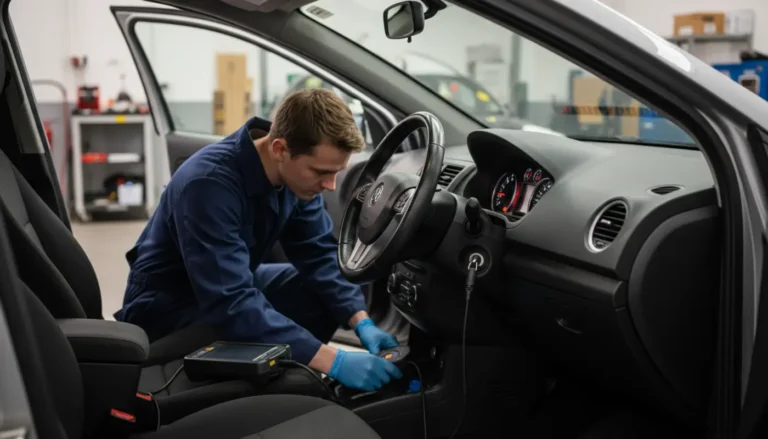
A professional diagnosis normally starts with basic checks, then moves to more targeted testing. The technician may inspect coolant and oil condition, look for external leaks, check fault codes, review the temperature history and examine whether the cooling system is holding pressure.
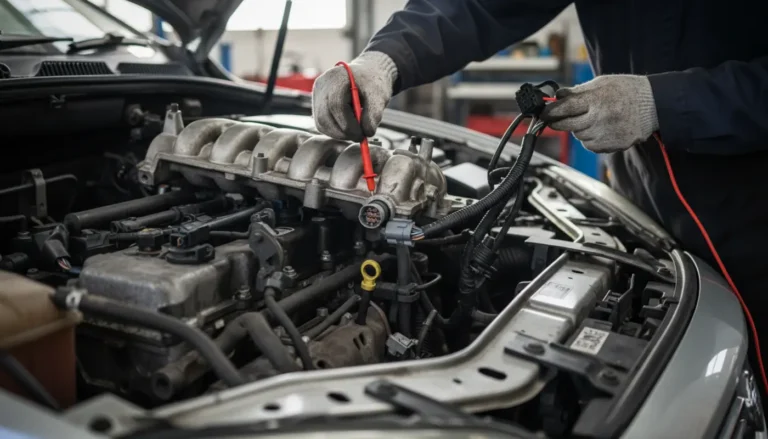
A cooling system pressure test can help reveal leaks. A combustion gas or chemical block test can indicate whether exhaust gases are entering the cooling system. Compression testing and leak-down testing may be used to assess sealing within the cylinders. If the cylinder head is removed, it may need checking for distortion or cracks before any gasket repair is authorised.
One test does not always tell the whole story. A head gasket can fail between a coolant passage and a cylinder, between two cylinders, towards an oil passage or externally. The correct test depends on the suspected failure path. It is also important to identify why the gasket failed in the first place, because simply fitting a new gasket will not solve a faulty radiator fan, blocked radiator, failed thermostat or water pump problem.
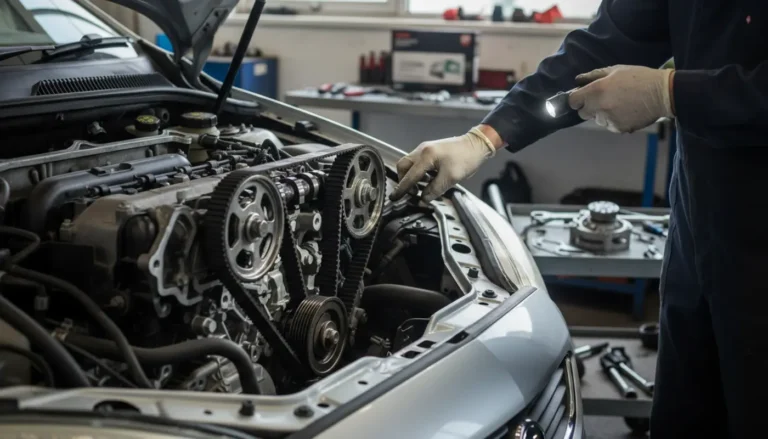
A head gasket repair can be the right answer where the engine has not suffered wider damage. The work usually involves removing the cylinder head, cleaning and inspecting the mating surfaces, checking for distortion, replacing the gasket and renewing associated fasteners where the manufacturer specifies them. Fresh oil, coolant, filters and further cooling system work may also be required.
However, replacement may become worth considering if the engine has overheated severely, the cylinder head or block is damaged, coolant has contaminated the oil for some time, or the total repair bill becomes disproportionate to the value of the vehicle. A replacement engine is not automatically better, but it can be a practical option when internal damage makes a gasket-only repair risky or uneconomical.
Used and reconditioned engines should be compared carefully. A used engine is normally removed from another vehicle, so mileage evidence, testing, included components and warranty terms are important. A reconditioned engine has undergone some level of refurbishment, but the scope can vary between suppliers. Always check exactly what has been renewed, inspected or tested rather than relying on the label alone. You can also compare used engine options to understand what different suppliers include.
If a replacement engine is being considered, compatibility is crucial. You should not choose an engine solely because it comes from the same make, model or engine size. Small differences in engine code, emissions specification, wiring, ECU setup, turbocharger, fuel system, ancillaries and transmission compatibility can make a big difference.
Before accepting a quotation, provide the supplier with the registration number, VIN where available, make, model, year, fuel type, engine size, exact engine code, power output, transmission type and any known modifications. Ask the supplier to confirm compatibility in writing, along with what is included in the engine package.
It is also worth checking whether the quote is supply-only or supply and fitting. A supply-only engine may look cheaper, but you may still need to arrange delivery, installation, fluids, filters, programming, old engine disposal and any warranty-compliant fitting requirements. A supply-and-fit quote may be easier to compare overall, but it should still be itemised so you understand what is included. If you are weighing up replacement routes, it can help to compare reconditioned engine options alongside used engines and gasket repair costs.
A current MOT does not prove that a car with a suspected blown head gasket is safe to drive today. An MOT is a test of specified items at the time of inspection, not a full engine health certificate for the months that follow. A vehicle can develop an overheating fault, coolant leak or serious running issue after passing its MOT.
A blown head gasket is not automatically one single MOT failure category. The outcome would depend on the actual defects present, such as emissions problems, serious fluid leaks, overheating-related safety concerns or other roadworthiness issues. The practical point is simpler: if the car is overheating, losing coolant, misfiring badly or showing serious warning lights, treat it as unsafe until properly assessed.
Whether you are considering a gasket repair or replacement engine, ask for a written diagnosis and itemised quotation. This helps you compare options fairly and avoids confusion over what has and has not been approved.
Keeping invoices, diagnostic reports and warranty documents is sensible. After any repair or replacement, monitor coolant level, oil condition, temperature behaviour and warning lights closely. If the vehicle overheats again, do not ignore it and hope it sorts itself out. Engines are clever, but not quite that forgiving.
Can a blown head gasket damage the engine if I keep driving?
Yes, continued driving can make the damage worse, especially if the engine overheats or coolant contaminates the oil. The exact outcome depends on the fault, the engine condition and how long the vehicle is driven.
Can I drive a car with a blown head gasket to a garage?
Recovery is usually the safer option, particularly if the car is overheating, losing coolant, smoking, misfiring or showing warning lights. There is no guaranteed safe short distance.
Does white smoke always mean a blown head gasket?
No. Persistent white smoke after the engine is warm can be a warning sign, but other faults and normal condensation can cause similar symptoms. Testing is needed before approving major work.
Is it cheaper to repair a head gasket or replace the engine?
It depends on the vehicle, labour involved, engine condition, machining requirements, replacement engine availability and warranty terms. Compare itemised repair and replacement quotes rather than looking only at the headline price.
Can I top up the coolant and keep driving?
Topping up may temporarily restore the coolant level, but it does not fix a head gasket fault or the cause of overheating. Never remove the coolant cap while hot, and stop driving if the temperature rises again.