13 November 2026
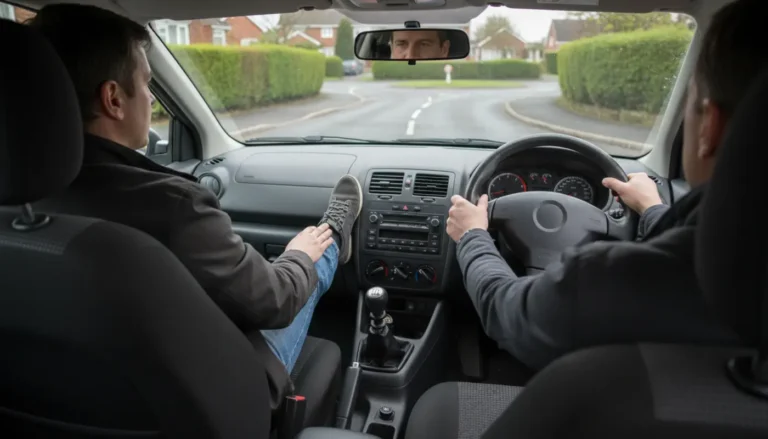
Engine knocking is an unusual tapping, pinging or deep knocking sound that suggests something is not happening smoothly inside or around the engine. Sometimes it is combustion knock, also called pinking, where the fuel and air mixture burns at the wrong moment. In other cases, it can be a mechanical knock caused by worn bearings, poor lubrication, piston movement, timing components or even a noisy accessory that only sounds like it is coming from the engine.
The important point is that engine knocking is not one single fault. A light metallic ping under acceleration is very different from a heavy rhythmic knock at idle. One may be linked to fuel, ignition or engine management, while the other may point towards internal wear that can become expensive if the car continues to be driven.
If the noise is new, getting worse, or accompanied by an oil pressure warning light, overheating, smoke, misfiring or loss of power, treat it seriously. If diagnosis suggests major internal damage, comparing repair, used engine and reconditioned engine options through Motor Fix Way can help you understand what replacement routes may be available from UK suppliers.
Engine knocking can sound different depending on the cause, engine design and when the noise appears. Describing the sound accurately helps a technician, although it is not a substitute for inspection.
A light metallic pinging or rattling noise under acceleration, especially when climbing a hill or using higher gears at low revs, is often described as pinking. This is usually associated with abnormal combustion in a petrol engine, but the cause still needs proper checking.
A deeper, duller knock that rises and falls with engine speed can be more concerning. Drivers often describe it as a rhythmic thud from the lower part of the engine. This type of noise may be linked with crankshaft, connecting rod or bearing problems, particularly if it is louder when the engine is warm or under load.
Ticking, tapping and rattling noises can also be mistaken for knocking. These may come from valve gear, timing chains, injectors, pulleys, belts or other engine-driven parts. A noise that follows road speed rather than engine revs may not be from the engine at all, and could involve a driveshaft, wheel bearing, suspension part, clutch or gearbox.
There are several possible causes of engine knocking, so it is best to think in categories rather than jumping straight to the worst case. A mechanic will usually consider lubrication, combustion, mechanical wear, timing and external components before confirming the fault.
Engine oil forms a protective film between fast-moving metal parts. If the oil level is low, the wrong grade has been used, oil pressure is poor, or oil flow is restricted, bearings and other internal components may not be properly protected. That can create knocking noises and accelerate wear.
Checking the oil level correctly is a sensible first step, provided it is safe to do so and you follow the manufacturer's procedure. If you are unsure, this simple guide to checking your engine oil level correctly explains the basics. Do not keep driving with an oil pressure warning light showing, even if the engine still runs.
Big end bearings, main bearings and crankshaft journals support heavy loads inside the engine. If these parts wear, overheat or lose lubrication, excessive clearance can develop. That clearance can create a heavy, repetitive knocking noise as the engine turns.
Internal bearing problems cannot be confirmed from sound alone. A technician may need to check oil pressure, listen with workshop equipment, inspect drained oil for metallic particles, or remove components for inspection. If damage is severe, the repair may involve a rebuild or replacement engine rather than a small external fix.
Combustion knock happens when the fuel and air mixture does not burn in a controlled way. Instead of a smooth flame front, pressure waves occur inside the cylinder at the wrong moment. To the driver, this may sound like a light metallic pinging, especially under load.
Possible contributors include incorrect fuel specification, ignition faults, fuelling problems, unsuitable spark plugs, carbon deposits, intake leaks or knock sensor issues. Modern engine management can often reduce knock, but it cannot disguise every problem forever. Using higher octane fuel may be relevant where the manufacturer recommends it, but it will not repair worn bearings or mechanical damage.
In the UK, standard 95 RON petrol is generally E10, while E5 is commonly sold as super unleaded, often rated around 97 to 99 RON. Always check the vehicle handbook or manufacturer guidance for fuel suitability.
Overheating can contribute to both abnormal combustion and mechanical damage. If the temperature warning light appears, the heater suddenly blows cold, steam is visible, or coolant is lost, the engine should be allowed to cool safely before checks are made. Official guidance in The Highway Code vehicle maintenance annex reminds drivers not to ignore warning lights and to take care around overheating faults.
Never remove a hot coolant cap. Pressurised coolant can cause serious burns, and a quick look under the bonnet is not worth a trip to A&E.
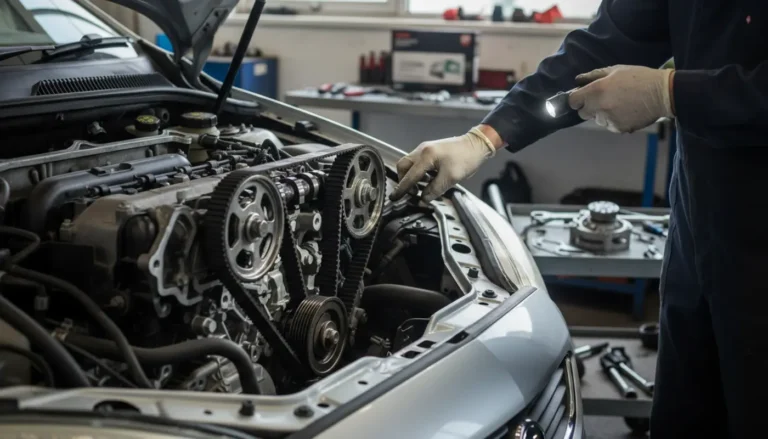
Timing chains, timing belts, tensioners, pulleys, alternators, water pumps and air conditioning compressors can all make noises that seem to come from inside the engine. Loose exhaust heat shields, failed engine mountings and drivetrain faults can also mimic knocking.
One useful observation is whether the noise follows engine revs or road speed. If it rises when you rev the engine while stationary, the source may be engine related or attached to the engine. If it changes mainly with vehicle speed, the fault may be elsewhere.
Engine knocking can be minor, serious or urgent depending on the symptoms around it. The safest approach is to treat a new knock as a warning until it has been checked.
Stop driving and arrange recovery if you notice any of the following:
If the sound is mild and intermittent with no warning lights, it may still need prompt diagnosis. Driving gently to a nearby garage may be possible in some cases, but that decision depends on the symptoms and risk. If in doubt, recovery is cheaper than turning a repairable fault into a destroyed engine.
A proper diagnosis starts with when and how the noise occurs. The technician will want to know whether it happens cold, warm, at idle, under acceleration, when lifting off the throttle, or only at certain speeds. Mention any recent oil changes, overheating, fuel changes, repairs, warning lights or loss of power.
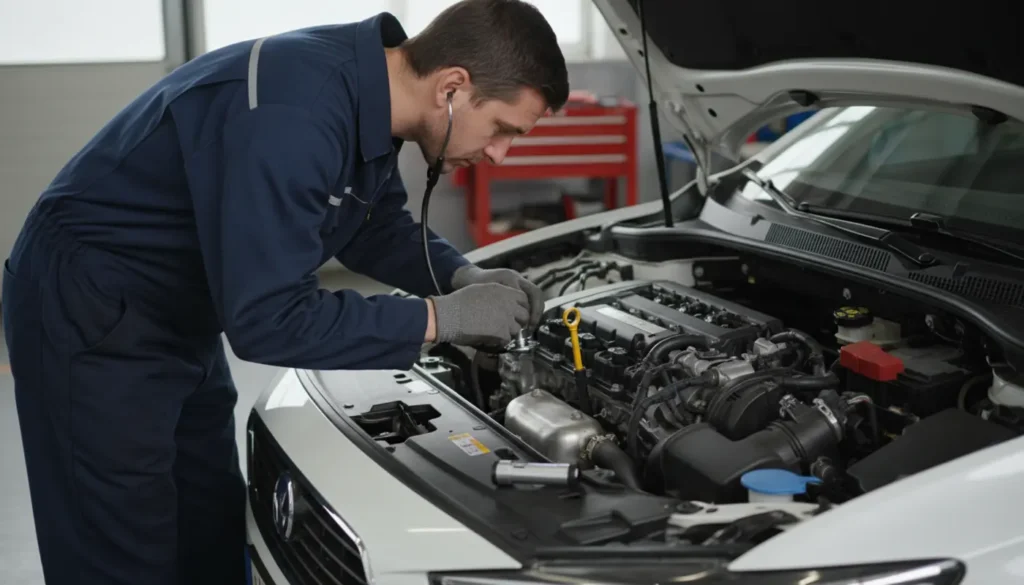
Common diagnostic checks may include an oil level and condition check, fault code scan, oil pressure test, visual inspection for leaks, listening tests, belt and pulley inspection, cooling system checks and, where relevant, compression or leak-down testing. If internal damage is suspected, further dismantling may be needed.
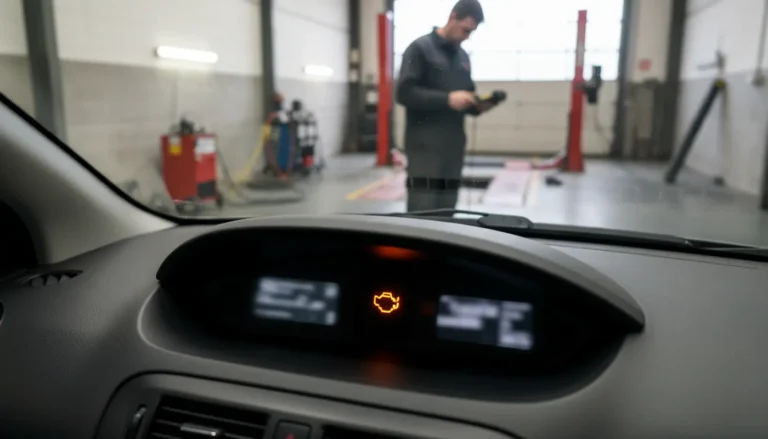
A dashboard warning light can help point towards a system, but it rarely names the exact failed part. If the engine management light has appeared as well as the knocking noise, this guide to what the engine management light means is a useful starting point before you discuss diagnostics with a garage.
Some causes of knocking are repairable without replacing the engine. Combustion-related pinking may be resolved by correcting ignition, fuelling, sensor, intake or spark plug issues. Noises from belts, pulleys, heat shields, engine mounts or accessories may also be fixed by repairing the faulty component.
More serious internal knocks are different. Bearing damage, crankshaft wear, piston slap, cylinder damage or oil starvation may require engine dismantling. Depending on the vehicle, parts availability, labour time and overall value, a rebuild may or may not be economical.
Replacement should not be the first assumption, but it becomes a realistic option when confirmed internal damage is extensive, the engine has suffered oil starvation, or the cost of rebuilding is disproportionate. At that stage, the decision is less about the noise and more about the confirmed damage, vehicle value and quality of available replacement options.
Before choosing between repair and replacement, ask for a clear diagnosis and a written quotation. A repair quote should explain what is being replaced and whether further damage may be uncovered once the engine is stripped. A replacement engine quote should explain whether it is used, reconditioned or new, what is included, and whether the price is supply-only or supply-and-fit.
Compatibility is critical. A matching engine size or model badge is not enough. Suppliers may need the registration, VIN, fuel type, production year, exact engine code, emissions specification and transmission type. If you are not sure what engine is fitted, this guide to finding your engine code explains where to start.
Used engines are usually removed from donor vehicles and sold with varying levels of mileage evidence, testing and included components. Reconditioned engines may have been stripped, inspected, machined or rebuilt to the supplier's own process, but the word reconditioned does not mean every supplier offers the same specification. Always ask what work has been done and what the warranty actually covers.
Whether you are authorising a repair or comparing replacement engine quotes, a few careful questions can prevent confusion later. They also make it easier to compare like for like, rather than choosing the cheapest-looking figure that excludes half the job.
Also ask what happens if the replacement engine is found to be incompatible after delivery. A reputable supplier should be clear about checking procedures, warranty terms, returns and responsibilities before you commit.
Once the fault has been repaired, keep a close eye on oil and coolant levels, warning lights and any returning noise. Use the oil grade specified by the manufacturer, follow the advised service interval, and keep invoices for parts, labour and fluids. If a replacement engine has been fitted, follow any running-in or early oil change guidance provided by the supplier or installer.
A car passing its MOT should not be treated as proof that a knocking engine is healthy. The MOT is a roadworthiness inspection and includes checks such as excessive exhaust noise, but it is not a full internal engine health assessment. If a knock returns after an MOT pass, it still needs diagnosis.
Can I drive with engine knocking?
It depends on the cause, but heavy knocking, oil pressure warnings, overheating, smoke or loss of power are reasons to stop and arrange recovery. Continuing to drive may make internal damage worse.
Does engine knocking always mean I need a replacement engine?
No. Some knocking sounds are caused by fuel, ignition, sensors, accessories, timing parts or loose components. Replacement is usually considered only after proper diagnosis confirms serious internal damage or uneconomical repair.
Can low oil cause engine knocking?
Yes, low oil or poor oil pressure can reduce lubrication and contribute to bearing wear or mechanical noise. However, the noise still needs diagnosis because topping up oil may not undo damage that has already occurred.
What is the difference between pinking and engine knock?
Pinking usually means a light metallic combustion noise under load, often in a petrol engine. Engine knock is a broader term and can also describe deeper mechanical noises from bearings, pistons or other internal parts.
Is a reconditioned engine better than a used engine?
Not automatically. Compare the exact engine code, reconditioning work, testing evidence, included parts, warranty terms, fitting requirements and total fitted cost before deciding.