13 November 2026
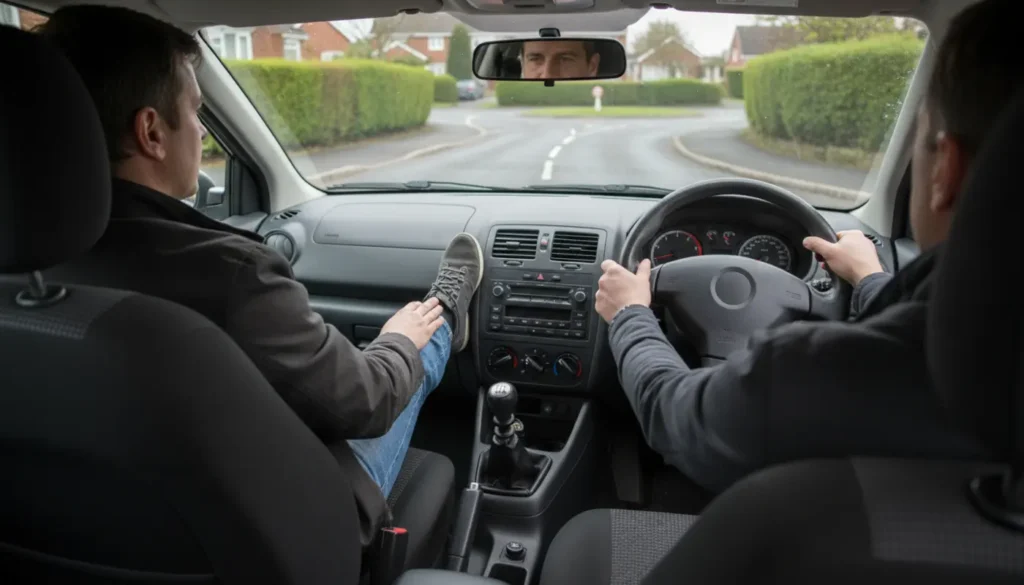
You will normally feel the effects of engine braking as soon as you lift off the accelerator while the vehicle is still in gear. The first sensation may be gentle, especially in a higher gear, but the car has already started to slow because the engine and transmission are no longer driving the wheels forward in the same way.
The strength of engine braking depends on road speed, selected gear, gradient, vehicle weight, engine type and gearbox design. In simple terms, lifting off in fifth gear on a level road may feel mild, while changing smoothly into a lower suitable gear on a downhill stretch can make the slowing effect much more noticeable.
Engine braking is a normal part of vehicle control, but it is not a replacement for the footbrake. If traffic stops, a pedestrian steps out or you need to reduce speed quickly, use the brake pedal. Engine braking is best thought of as a helpful supporting technique, not something to rely on for urgent stopping.
If unusual deceleration comes with warning lights, harsh jolts, slipping gears or strange noises, the cause should be diagnosed properly. Where a serious engine or gearbox issue is confirmed and replacement options need comparing, Motor Fix Way can help UK motorists explore quotations from relevant suppliers, without assuming that replacement is automatically the answer.
Engine braking happens when the vehicle slows because the driven wheels remain connected to the engine through the gearbox while you are no longer pressing the accelerator. Instead of the engine adding power to maintain or increase speed, the motion of the wheels helps turn the engine, and that creates resistance through the drivetrain.
That resistance is what you feel as deceleration. It is not the same as pressing the brake pedal, and it does not mean a separate braking system has switched on. In a manual car, it happens when you lift off while still in gear. In many automatic cars, it also happens, although the gearbox software may decide how strongly the vehicle slows and whether it changes down.
Coasting is different. If you select neutral or keep the clutch pressed down, the connection between the engine and the driven wheels is reduced or removed, so the engine braking effect is lost. The Highway Code explains that coasting can reduce driver control and increase reliance on the brakes, particularly downhill, which is why its guidance is worth understanding before relying on gear choice downhill. You can read the official advice in The Highway Code rules on control, braking and coasting.
There is no waiting period for engine braking. The effect begins when you lift off the accelerator and the vehicle remains in gear. What changes is how noticeable it feels. At motorway speed in a high gear, the car may simply ease down gently. In a lower gear at urban speeds, you may feel a clearer forward weight transfer and hear the engine note change.
Drivers often notice engine braking most clearly when approaching a junction, roundabout or bend. You lift off early, the car starts to lose speed smoothly, then you use the footbrake if more speed reduction is needed. If you then choose a suitable lower gear, the engine may rev slightly higher and the deceleration can become stronger.
This is why two drivers can describe engine braking differently and both be right. A small petrol hatchback, a diesel SUV, a turbocharged car, a modern automatic and a hybrid can all behave differently. The principle is the same, but the feel is shaped by the vehicle's gearing, engine management, transmission software and drive mode.
Engine braking usually feels strongest when the engine is turning faster relative to road speed, which commonly happens in a lower gear. That does not mean you should simply select the lowest gear available. The right gear is the one that suits your speed, road conditions and the vehicle manufacturer's guidance.
On a downhill road, engine braking can be especially useful because gravity is trying to increase the car's speed. Selecting an appropriate gear before the descent helps you maintain control without relying constantly on the service brakes. You may still need to brake, especially if the hill is steep, traffic is close or visibility is poor.
The effect can also feel more obvious after a smooth downshift. You may notice the engine sound rise, the vehicle slow more firmly and your body move slightly forward in the seat. That is normal when done within the vehicle's operating limits. A bang, grind, severe jolt or warning light is not something to brush off as “just engine braking”.
In a manual car, the simplest form of engine braking is lifting off the accelerator while leaving the car in gear. The vehicle will begin to slow naturally. If you need more control, you can change down smoothly to a suitable lower gear, allowing the clutch to engage progressively rather than snapping it up suddenly.
The key word is suitable. Forcing a low gear at too high a road speed can send engine revs too high and place unnecessary stress on the clutch, gearbox and drivetrain. It may also unsettle the vehicle, particularly on a wet, icy or loose surface. Good engine braking should feel controlled, smooth and predictable, not abrupt or unsettling.
A common mistake is keeping the clutch pressed down for too long while slowing. That can remove most of the engine braking effect and leave the car effectively coasting. Use the clutch for the gear change, then bring it back up smoothly so the engine and wheels are connected again.
Automatic cars vary more than many drivers expect. Some downshift quite readily when you lift off or brake. Others stay in a higher gear to improve smoothness or efficiency, so the engine braking effect may feel weaker. Some vehicles provide a manual mode, paddle shifters, sport mode, low range or hill descent control, but the names and behaviour differ by manufacturer.
If you drive an automatic and regularly travel down steep hills, check the owner's handbook for the correct method. In some vehicles, selecting an approved lower range helps increase engine braking. In others, the gearbox manages it automatically. You should not force a downshift that causes excessive revs or makes the vehicle unstable.
Hybrid and electric vehicles can feel different again. Many use regenerative braking, where the motor helps slow the vehicle and sends energy back towards the battery. The strength of this effect may change with drive mode, battery charge, temperature, traction conditions or selected settings. That means a hybrid or EV may not feel the same every time, even on a familiar road.
Used properly, engine braking is a safe and normal driving technique. It is taught as part of broader vehicle control because it helps drivers plan ahead, manage speed smoothly and avoid unnecessary harsh braking. The important point is that it supports safe driving rather than replacing observation, anticipation and proper brake use.
For example, if you see traffic lights changing ahead, lifting off early while remaining in gear can help the car slow progressively. You can then brake gently as needed and select the right gear for moving away again. This is smoother for passengers, kinder to the vehicle and generally better than accelerating towards a queue before braking late.
However, in an emergency, engine braking is far too slow on its own. If a hazard appears suddenly, use the footbrake immediately and firmly while steering as required. Modern vehicles are designed with service brakes as the primary system for stopping the car. Engine braking is useful, but it is not a substitute for brakes that are in good condition.
Engine braking can reduce how often you need to use the service brakes in some everyday situations. Approaching a lower speed limit, easing towards a roundabout or controlling speed on a descent are all common examples. That may help reduce unnecessary brake use, but it does not remove the need for brake inspections, maintenance or sensible driving.
Fuel use is more vehicle dependent. In many modern fuel-injected cars, lifting off while in gear can reduce fuel delivery significantly, but the real-world result depends on traffic, terrain, driving style and the vehicle's control systems. It is better to think in terms of anticipation and smoothness than chasing a guaranteed saving.
Brake condition still matters. Engine braking does not make worn pads, seized calipers, contaminated discs or a spongy brake pedal acceptable. The MOT assesses the service braking system, not whether the car happens to slow nicely when you lift off. If the brakes feel weak, uneven or noisy, have them checked.
Normal engine braking, used within the vehicle manufacturer's instructions, should not be treated as inherently damaging. Engines and gearboxes are designed to deal with changing loads during normal driving. Problems usually come from poor technique, such as selecting too low a gear for the speed, releasing the clutch abruptly or repeatedly causing excessive engine revs.
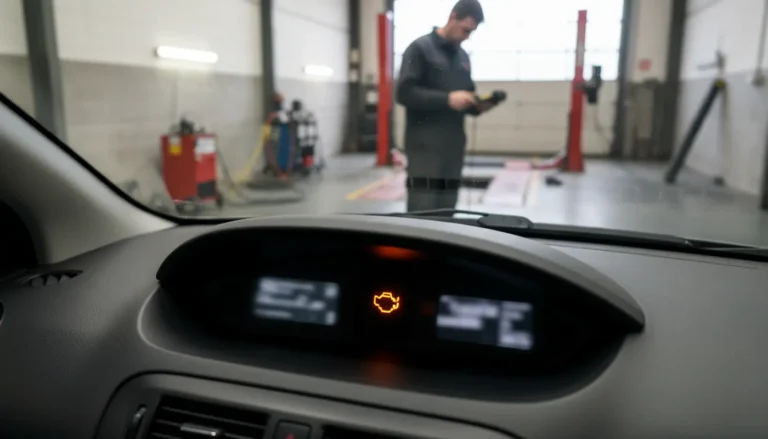
If your car jerks violently every time you lift off, refuses gears, slips, whines, grinds or shows a warning light, do not diagnose it from the engine braking sensation alone. Similar symptoms can come from engine mounts, clutch wear, gearbox faults, driveshafts, brakes, sensors or electronic controls. A proper inspection and fault diagnosis should come before any decision about repair or replacement.
For warning lights and diagnostic trouble codes, it can help to understand the basics of checking engine light codes on a modern car, although code reading is only one part of a full diagnosis. If a gearbox or engine replacement is later recommended, exact compatibility matters. Vehicle registration, VIN, engine code, gearbox type, production year and specification can all affect whether a replacement unit is suitable.
Approaching a roundabout is a good everyday example. You lift off the accelerator early while staying in gear, and the car begins to slow straight away. If the roundabout is clear, you may only need light braking and a smooth gear change before continuing. If traffic stops, you use the footbrake properly.
On a steep descent, you may feel engine braking as soon as you lift off, but it might not be enough to hold the car at a safe speed in a high gear. Selecting a suitable lower gear or approved automatic setting before the hill becomes steeper can increase control. Keep monitoring speed and use the service brake whenever needed.
In slow-moving traffic, engine braking may feel like a gentle tug when you ease off the accelerator. That is normal in many cars, especially in lower gears. What is not normal is a repeated harsh clunk, a delay followed by a thump, or a warning message on the dashboard. Those symptoms deserve attention rather than guesswork.
Engine braking strength varies, so a stronger or weaker feel is not automatically a fault. The concern is when the behaviour changes suddenly or comes with other symptoms. A qualified technician should inspect the vehicle if you notice persistent vibration, grinding, knocking, clutch smell, delayed automatic engagement, difficulty selecting gears, slipping, warning lights or loss of power.
If replacement is discussed after diagnosis, ask what evidence supports the recommendation and whether repair is possible. For major drivetrain decisions, compare what is included in each quotation, whether it is supply only or supply and fitting, what warranty terms apply and what compatibility checks are required. Rushing into the wrong engine or gearbox can be far more expensive than taking the time to confirm the details properly.
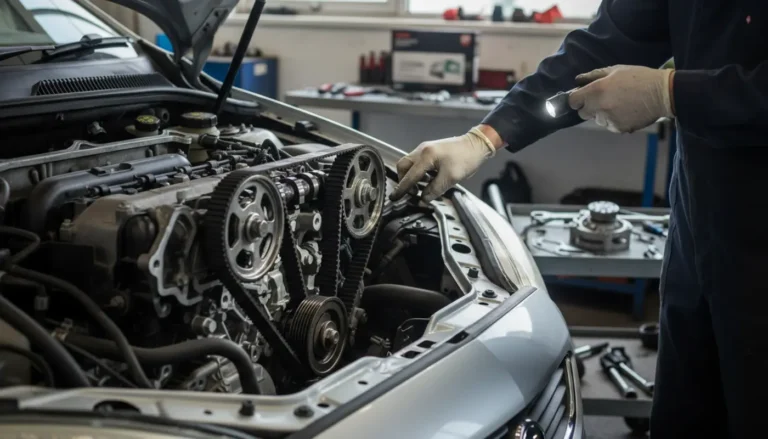
If a confirmed engine fault means you need to compare replacement options, checking quotes for used engines can help you understand availability, warranty terms and supplier requirements before making a decision. For transmission issues, comparing used gearboxes should involve the same care around codes, fitment, mileage, testing and what is included in the quote.
When do you feel engine braking?
You usually feel it immediately after lifting off the accelerator while the vehicle remains in gear. The first effect may be gentle, then stronger if you select a suitable lower gear.
Is engine braking the same as pressing the brake pedal?
No. Engine braking uses resistance through the engine and drivetrain, while the brake pedal operates the service brakes. You still need the footbrake to stop promptly or deal with hazards.
Is engine braking stronger in a lower gear?
Usually, yes, because the engine turns faster relative to road speed. The gear must still be appropriate for your speed, conditions and vehicle limits.
Does engine braking work in an automatic car?
Yes, in many automatic cars, but the strength varies. Some gearboxes downshift automatically, while others use manual mode, low range, sport settings or regenerative braking depending on the vehicle.
Does engine braking mean my gearbox is failing?
Not by itself. Engine braking is normal, but harsh jolts, slipping, grinding noises, warning lights or gear selection problems should be diagnosed professionally.