
6 November 2026

Check your engine oil level at least once a month under normal driving, weekly if you cover high mileage or do lots of short town trips, and always before a long journey. The most accurate method is the one in your vehicle handbook, because some cars use a dipstick while others rely on an electronic oil-level display.
Engine oil checks are quick, simple and far cheaper than dealing with avoidable engine wear. Oil lubricates fast-moving metal components, helps control heat and supports the engine's internal cleanliness. If the level drops too low, the engine may not be protected properly, especially under load or at higher speeds.
It is worth separating an oil-level check from an oil change. Checking the level tells you whether there is enough oil in the engine today. Changing the oil and filter is a scheduled service task, based on the manufacturer's interval, oil specification and how the vehicle is used.
If repeated low oil readings, warning lights, knocking noises or smoke eventually lead to a confirmed serious engine fault, Motor Fix Way can help UK motorists compare replacement engine options from relevant suppliers. For routine oil checks, though, the aim is prevention rather than panic.
The best time to check your engine oil is when the car is parked on level ground, the engine is switched off and the oil has had time to settle back into the sump. Many handbooks recommend waiting a few minutes after switching off so the oil can settle, but your vehicle handbook should take priority.
As a practical routine, check the oil monthly if your vehicle is used normally. Increase that to weekly if you drive long distances, tow, regularly sit in traffic, use the car for short stop-start journeys or own an older vehicle that may consume more oil. Short urban trips can be harder on an engine than they look, because the oil may not always reach and maintain its ideal operating condition.
You should also check the oil before motorway journeys, holidays, airport runs, towing, carrying heavy loads or any trip where breaking down would be especially inconvenient. It sits neatly alongside checking tyres, coolant, screenwash, lights and fuel. Not glamorous, admittedly, but neither is waiting on the hard shoulder because the engine has had enough.
Engine oil forms a protective film between moving parts such as bearings, camshafts, crankshafts and pistons. Without enough oil, friction and heat rise quickly. That can lead to accelerated wear, noisy running, loss of performance and, in severe cases, internal engine damage.
Low oil does not automatically mean the engine is ruined. The level may have fallen because of normal consumption, a small external leak, incorrect filling at a previous service, internal oil burning or a separate lubrication-system fault. What matters is not ignoring the pattern. If you keep topping up without understanding where the oil is going, you may be masking a developing problem.
Oil level also affects more than just old cars. Modern petrol, diesel, hybrid and turbocharged engines can be sensitive to oil specification and level. Turbochargers in particular rely on clean, correctly specified oil for lubrication and cooling. That does not mean every low reading is a disaster, but it does mean regular checks are still worthwhile, even on newer vehicles.
For most vehicles, park on level ground, switch the engine off and wait a few minutes before checking the oil. This allows oil that has been circulating around the engine to drain back into the sump, giving a more reliable reading. If you check immediately after switching off, the dipstick may show a lower level than is actually in the engine.
Level ground matters because oil sits in the sump. If the car is parked on a slope, the dipstick reading can be misleading. A steep driveway or kerb can make the oil appear too high or too low, depending on the angle. If in doubt, move the vehicle to a flat, safe place and check again.
Be careful if the engine has been running. Avoid touching hot components and make sure loose clothing, jewellery and cleaning cloths are kept away from moving parts. You should never check oil with the engine running unless the manufacturer specifically instructs a different procedure for that vehicle.
If your car has a traditional dipstick, the process is straightforward. The dipstick usually has a brightly coloured handle, although its location varies by manufacturer and engine layout. If you cannot find it, check the handbook rather than tugging at random bits of plastic under the bonnet.
The oil should normally sit between the minimum and maximum markers. The Driver and Vehicle Standards Agency also refers to checking the oil level against these markings or using the oil-level indicator where fitted, in its official vehicle safety check guidance for driving tests: DVSA vehicle safety check guidance.
Do not assume that the maximum mark is a target to exceed. Too much oil can create its own problems, including foaming, increased pressure or contamination of emission-control components on some vehicles. If the oil is already near maximum, leave it alone.
Some newer vehicles use an electronic oil-level display instead of a physical dipstick. The checking process may involve switching the ignition on, using a dashboard menu, waiting for the engine to reach a certain temperature or parking on level ground for a set period. The exact sequence varies, so the handbook is essential.
Do not use a generic dipstick method if the car does not have one. Electronic systems can be very convenient, but they still depend on the correct conditions. A reading taken too soon after driving, on a slope or before the system has completed its check may not tell the full story.
It is also important to understand the difference between an oil-level reading and an oil-pressure warning. An electronic display might say the level is acceptable, but a red oil-pressure warning could still indicate a serious circulation problem. Level and pressure are connected, but they are not the same measurement.
If the oil level is below the minimum mark, top up using the correct oil for your vehicle. The right choice is not just about a familiar viscosity such as 5W-30 or 0W-20. Many vehicles also require a particular manufacturer approval or specification, especially modern diesel, turbocharged and low-emission engines.
The best place to confirm the correct product is the vehicle handbook, manufacturer information or the label near the oil filler cap. If you are unsure what the markings mean, the key point is that oil specification matters as much as viscosity.
Add oil gradually. Remove the filler cap, pour in a small amount, wait briefly, then recheck the dipstick or electronic display. It is much easier to add a little more than to deal with an overfilled engine. Once finished, refit the dipstick and filler cap securely, wipe up spills and keep oil away from belts, electrical components and hot surfaces.
A red oil-can warning light should be treated seriously. If it appears while driving, pull over safely as soon as you can and switch off the engine. Do not keep driving in the hope that it will clear by itself. The warning may relate to oil pressure, oil level, oil circulation, a sensor fault, an oil pump issue or another lubrication problem.
Once it is safe, check the oil level using the correct method for your vehicle. If the level is low, topping up may help, but it does not prove the underlying issue has gone. If the light remains on, returns quickly or appears when the oil level is correct, arrange professional assistance rather than continuing the journey.
An amber oil-level warning or dashboard message may be less urgent than a red pressure warning, but it should still be checked promptly. Warning colours and meanings vary by vehicle, so use the handbook rather than guesswork. A warning light is the car's way of saying it would like some attention, preferably before the conversation becomes expensive.
An occasional small top-up may be normal for some vehicles, particularly higher-mileage engines, but repeated low readings should not be ignored. Keep a note of how much oil you add and how often. That information can help a technician distinguish normal consumption from a leak or mechanical fault.
Look for supporting symptoms. Oil patches beneath the car, a burning-oil smell, blue smoke from the exhaust, unusual ticking or knocking, loss of power or a warning light all justify further investigation. Symptoms alone cannot confirm the fault, but they can help decide how urgently the vehicle needs inspection.
Low oil can sometimes be linked with wider engine damage, but replacement should never be the first assumption without diagnosis. A garage may need to check for leaks, measure oil pressure, inspect the filter, scan for fault codes or assess internal wear. If major damage is confirmed and repair is not economical, it may be sensible to compare replacement engine options, including used units or reconditioned engines from relevant suppliers. In that situation, compatibility should be checked using the vehicle registration, engine code, fuel type, transmission, production year and VIN where necessary.
Most oil-checking errors come from rushing. A quick check is useful, but only if it is done under the right conditions. A misleading reading can lead to unnecessary topping up or, worse, driving with less oil than the engine needs.
Oil colour can be useful background information, but it is not a diagnosis. Diesel oil, for example, can darken quickly due to normal soot contamination. Gritty, milky or unusually thick oil may point towards a problem, but it needs proper assessment rather than guesswork.
A good routine is easy to remember: check monthly, check before long journeys and check sooner if the car gives you a reason. Keep the correct oil in the boot if your vehicle tends to need top-ups, and store it securely so it cannot spill.
If you are planning a long run, make the oil check part of a wider pre-journey inspection. Tyre pressures, tread depth, coolant, screenwash, lights and wipers all deserve a quick look. None of these checks takes long, and together they reduce the chances of preventable breakdowns.
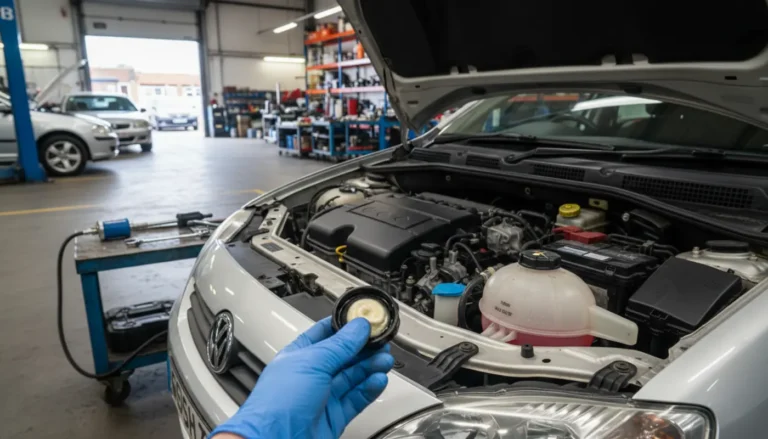
For drivers who want a more detailed walkthrough of the physical process, this step-by-step guide on how to check engine oil is a useful companion. If your oil checks are revealing repeated low levels or possible engine damage, make sure any next step is based on diagnosis rather than assumption.
How often should I check my engine oil?
Check it at least monthly in normal use, weekly if you cover high mileage or mainly drive in town, and before any long journey. Always follow your vehicle handbook if it gives a different instruction.
Should I check engine oil when the engine is hot or cold?
Most checks should be done with the engine switched off, the car on level ground and the oil allowed to settle. The exact timing can vary by vehicle, so the handbook should take priority.
What level should oil be on the dipstick?
The oil should sit between the minimum and maximum marks. Do not add oil above the maximum mark, as overfilling can cause problems of its own.
Can I drive with the oil warning light on?
If a red oil warning light appears while driving, stop safely and switch off the engine. Check the oil only when it is safe, and arrange assistance if the warning remains or the level appears correct.
Does low oil mean I need a replacement engine?
No, low oil alone does not prove the engine is beyond repair. A proper diagnosis is needed to identify whether the issue is a leak, consumption, pressure fault, sensor problem or internal damage.