
13 November 2026
Yes, an engine management light can be an MOT failure in the UK. More precisely, if the engine malfunction indicator lamp, often called the EML, MIL or check engine light, stays on after the engine has started or indicates a malfunction on a vehicle covered by the MOT inspection rules, it is generally recorded as a major defect. A major defect means the vehicle fails its MOT.
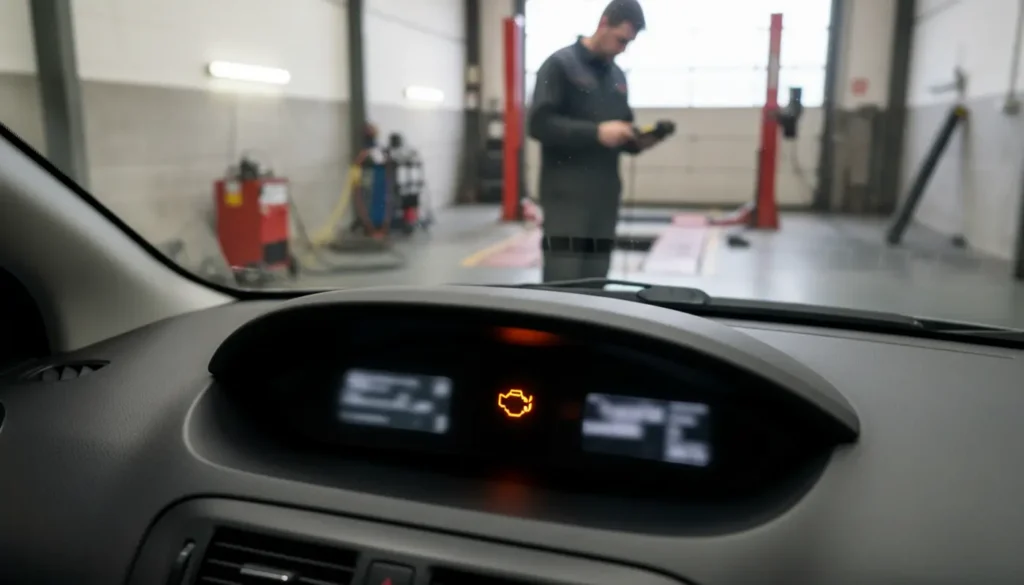
There is one important detail that often causes confusion. The light coming on briefly when you switch the ignition on is normal. That is the car carrying out a dashboard self-check. The issue is when the light does not behave as expected, for example if it stays illuminated once the engine is running, flashes, or fails to illuminate during the self-check when it should.
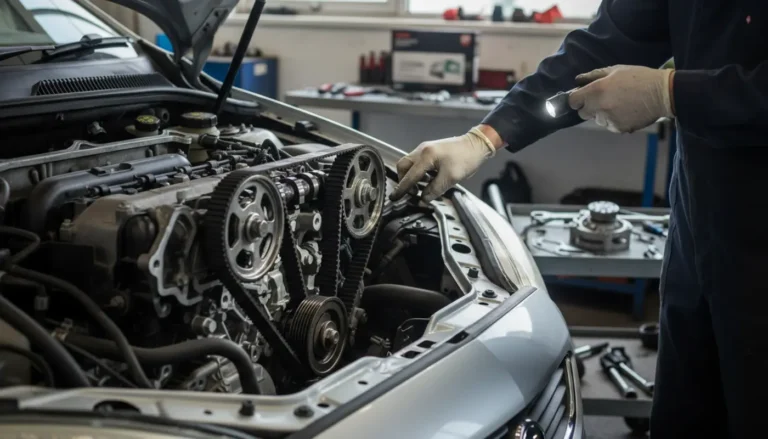
An MOT is not a full mechanical inspection of the engine, clutch or gearbox, but it does include checks linked to emissions and warning lamps. That means a car may run and drive reasonably well, yet still fail because the engine management system is reporting a fault. If diagnosis later confirms serious internal engine damage, Motor Fix Way can help UK motorists compare replacement engine options from suppliers, but an EML on its own is not proof that an engine needs replacing.
For vehicles where the MOT engine MIL inspection applies, an engine management light that remains illuminated or indicates a malfunction is treated as a major defect. The official MOT wording refers to the engine malfunction indicator lamp rather than the more familiar term engine management light. The DVSA inspection manual explains that the tester checks whether the lamp illuminates with the ignition and then goes out after the engine is started.
You can check the official MOT inspection wording in the DVSA manual under engine malfunction indicator lamp MOT rules. In simple terms, if the relevant light is inoperative or showing a fault when the vehicle is being tested, the result is normally a fail rather than an advisory.
The rules do not apply in exactly the same way to every vehicle. For petrol vehicles, the MIL inspection generally applies to relevant vehicles first used on or after 1 July 2003. For diesel vehicles, it generally applies to relevant vehicles first used on or after 1 July 2008. There are also particular exceptions, including some kit cars, amateur-built vehicles and certain American pickups that are not required to be fitted with an engine MIL.
The engine management light is a warning from the vehicle's control system. It does not diagnose the fault by itself. It simply tells you that the engine control unit has detected something outside the expected range, often relating to fuelling, ignition, emissions, sensors, airflow, exhaust treatment or electronic control.
That means the light can appear for a wide range of reasons. A loose connection, faulty sensor, misfire, exhaust leak, oxygen sensor issue, EGR fault, catalytic converter problem or diesel particulate filter concern can all potentially trigger it. On some vehicles, low voltage or communication faults between control modules may also be involved.
If you want a wider explanation of what the warning can mean, Motor Fix Way has a helpful article on what the engine management light means. The key point for MOT purposes is that the light is treated as evidence of a detected malfunction, not as proof of one specific failed part.
A steady amber engine management light should not be ignored. Many drivers assume amber means "fine for now", but for MOT purposes a steady warning can still count as a major defect if it remains on when the engine is running. The vehicle may seem perfectly normal around town, but the stored fault may still relate to emissions or engine control.
A flashing engine management light is usually more urgent. It can indicate a fault that may damage emissions equipment, particularly if the engine is misfiring. If the light is flashing and the car is shaking, losing power, smoking, overheating or making unusual noises, it is sensible to stop where safe and seek professional advice rather than pressing on and hoping for the best.
Red warning lights need careful identification. A red oil pressure light, coolant temperature light or battery charging light is not necessarily the same as the EML, but it can point to a problem that may cause serious damage if ignored. The engine-shaped symbol, the wording on the display and the owner's handbook can help identify which system is warning you.
Clearing the code without fixing the underlying fault is not a reliable MOT strategy. A diagnostic tool may switch the lamp off temporarily, but if the fault remains, the light can return before or during the test. Some vehicles also need time and normal driving conditions to complete readiness checks after codes have been erased.
A proper diagnostic process should do more than read a fault code and point at the first part mentioned. A code may identify a circuit, sensor range, emissions condition or system performance issue. It does not always mean the named component has failed. Good diagnosis usually combines code reading, live data, freeze-frame information where available, wiring checks, physical inspection and confirmation that the repair has solved the problem.
If you are investigating the fault yourself or trying to understand a garage report, remember that diagnostic trouble codes cannot tell you the full story on their own. Think of a code as a clue, not a confession from the guilty component.
The causes vary by make, model, fuel type, mileage and service history, so no article can diagnose your car from the light alone. However, several common fault categories are worth understanding before you approve repairs.
Diesel vehicles deserve a special mention because DPF issues are common on cars used mainly for short journeys. A DPF is designed to trap particulate matter from exhaust gases, and it needs the right conditions to regenerate. Removing or tampering with a factory-fitted DPF is not a legitimate fix and can cause an MOT failure if the component is missing where it should be fitted.
If the engine management light is on, arrange a diagnostic check before the MOT rather than hoping it disappears. Ask the technician what codes were stored, what tests were carried out, and whether the cause has been confirmed. A written quotation should separate diagnosis, parts, labour, VAT and any additional items such as fluids, seals or exhaust components.
Before the appointment, note how the car behaves. Does the light appear only after a cold start? Is it steady or flashing? Is there loss of power, rough idle, poor fuel economy, smoke, difficult starting or unusual exhaust noise? These details can help the technician reproduce the fault and avoid guesswork.
If you recently cleared a warning light, it is worth understanding the limits of that approach. Resetting should usually come after diagnosis and repair, not before it.
An EML-related MOT failure is usually recorded as a major defect, not automatically a dangerous defect. However, the legal position after a failed MOT depends on the vehicle's current MOT status and the defects recorded. If the existing MOT is still valid and no dangerous defect is listed, you may generally be able to take the vehicle away, but it must still be roadworthy.
If the MOT has expired, or a dangerous defect is recorded, you should not simply drive away as normal. The vehicle may need to be repaired before being used on the road, subject to the official rules about travelling to repair or test appointments. Even with a valid certificate, driving a car with a serious running fault, smoke, overheating or unsafe behaviour can still be risky and potentially unlawful.
No. An illuminated engine management light does not, by itself, mean the engine has failed. Many EML faults are caused by sensors, wiring, fuelling, ignition or emissions-control components. In those cases, replacing the engine would be unnecessary and expensive.
Engine replacement should only be considered if proper diagnosis confirms serious internal damage or an uneconomical repair. Examples might include severe timing failure, low compression caused by internal wear, major overheating damage or catastrophic mechanical failure. Even then, the options need to be compared carefully.
If a replacement engine is being considered, compatibility is critical. Suppliers normally need details such as the registration, VIN, exact engine code, year, fuel type, emissions specification, transmission type and vehicle variant. Two engines with the same capacity are not automatically interchangeable, even within the same model range.
When comparing quotations, check whether the offer is for a used engine, reconditioned engine or supply and fitting. Ask what is included, such as ancillaries, turbocharger, injectors, clutch, flywheel, belts, seals and fluids. Warranty terms also matter, especially exclusions, fitting requirements and whether labour is covered.
There is no single realistic "engine management light repair cost" because the cause can range from a minor wiring issue to a major mechanical problem. A fair comparison looks at the complete job, not just the headline part price.
Ask each garage or supplier to confirm what has actually been diagnosed, not simply what code was found. Check whether the quotation includes further testing, parts, labour, VAT, consumables and post-repair checks. If an MOT retest is required, ask whether there is a retest fee and when the vehicle can be presented again.
For used car buyers, checking the MOT history can be useful. Repeated emissions failures, warning lamp failures or advisories may suggest an ongoing issue, although a clean MOT history does not prove the engine is mechanically perfect. A diagnostic scan and independent inspection are still sensible if a warning light is present or has recently been mentioned.
If the diagnosis points towards serious engine damage, comparing reconditioned engine options alongside repair costs can help you weigh up the most sensible route. Make sure any quote is matched to the correct engine code and vehicle specification before you make a decision.
The biggest mistake is treating the engine management light as either harmless or catastrophic. It is neither by default. It is a warning that needs proper investigation. Ignoring it can lead to MOT failure, poor performance, higher fuel use or further damage, but jumping straight to expensive component replacement can be just as unhelpful.
Avoid replacing parts only because a code mentions them. Avoid deleting or tampering with emissions equipment. Avoid buying a replacement engine without checking the exact engine code and specification. And avoid comparing a supply-only engine price with a full supply-and-fit quotation, because they are not the same thing.
The sensible route is simple: identify the warning, diagnose the cause, repair the confirmed fault, clear the code properly, confirm the light stays off after starting, then book or return for the MOT. It may not be the most exciting afternoon you will ever have, but it is far better than meeting the same warning light again at the test station.
Will an amber engine management light fail an MOT?
Yes, it can. If the amber EML stays on after the engine starts or indicates a malfunction on a vehicle covered by the inspection rules, it is generally recorded as a major defect.
Does the engine management light have to come on with the ignition?
On vehicles where the MIL inspection applies, the tester checks that the lamp illuminates during the ignition self-check and then goes out after the engine starts. A lamp that does not work when it should can also be an issue.
Can my car pass if I reset the engine light before the MOT?
Resetting the light does not prove the fault has been repaired. The light may return, and the underlying emissions or engine-management problem may still be present.
Is the MOT a full engine inspection?
No. The MOT checks important safety and environmental items, but it is not a full mechanical health check of the engine, clutch or gearbox.
Does an engine management light mean I need a replacement engine?
Usually not. Many causes involve sensors, wiring, ignition, fuelling or emissions components, so engine replacement should only be considered after proper diagnosis confirms serious internal damage or uneconomical repair.